Affordable Root Canal Beverly Hills Options for Patients

The phrase "Beverly Hills dental care" tends to make people brace for a high estimate before they even pick up the phone. That reaction is understandable. The area has a reputation for premium cosmetic work, boutique practices, and fees that can feel out of reach for routine treatment. But when the issue is a badly infected tooth, assumptions can become expensive in a different way. Delaying a root canal because of fear over cost often turns a manageable dental problem into an extraction, an implant discussion, and a much larger bill.
Affordable care does exist, even in zip codes known for luxury services. The key is knowing what actually drives root canal pricing, where the real value lies, and which trade-offs are reasonable. A patient looking for a Root Canal Beverly Hills provider does not need the cheapest number on paper. They need competent treatment, clear pricing, and a practical plan to save the tooth without getting pushed into extras that do not improve the outcome.
That distinction matters more than most people realize. A root canal is not a cosmetic add-on. It is a way to remove infected or inflamed tissue from inside the tooth, disinfect the canals, and preserve the outer tooth structure so you can keep using it. When it is done well and followed by proper restoration, it often spares patients years of trouble.
Why costs vary so much in Beverly Hills
Patients are often surprised to hear three very different estimates for the same tooth. One office quotes what feels almost reasonable, another comes in much higher, Root Canal Beverly Hills and a third bundles several items together in a way that is hard to compare. This is common, and it does not always mean someone is overcharging. It usually means the offices are not quoting the same scope of care.
Several factors influence the fee. Tooth type is one of the biggest. Front teeth usually have fewer canals and are generally less complex than molars. A lower front tooth may be relatively straightforward, while an upper molar can be intricate, curved, and time-consuming. The difference in chair time alone can be substantial. Add in retreatment, calcified canals, cracked teeth, or active swelling, and the complexity rises fast.
Provider type also affects cost. General dentists sometimes perform root canals, especially on front teeth and simpler premolars. Endodontists, who specialize in root canal treatment, often charge more, but they also bring advanced training and equipment to difficult cases. In practice, patients can save money by seeing the right provider the first time. A failed lower-cost procedure that needs retreatment is rarely a bargain.
Technology is another variable. Practices that use a dental microscope, digital imaging, electronic apex locators, and strong disinfection protocols may charge more. Those tools are not marketing fluff when used appropriately. They can improve visibility and accuracy, especially in complex anatomy. That said, not every patient needs the most tech-heavy setup in town. Straightforward cases often do well in well-run general practices with sound technique and honest case selection.
Then there is the restoration afterward. The root canal itself is only part of the expense. Many back teeth need a crown after treatment because they become more brittle and face heavy chewing forces. If a patient hears an estimate for the root canal alone and assumes that is the entire bill, sticker shock often hits later.
The difference between cheap and affordable
There is a meaningful difference between care that is affordable and care that is merely low-priced. Affordable care is transparent. The office explains what is necessary now, what can wait, and what each step costs. Cheap care often looks attractive until you learn what is missing.
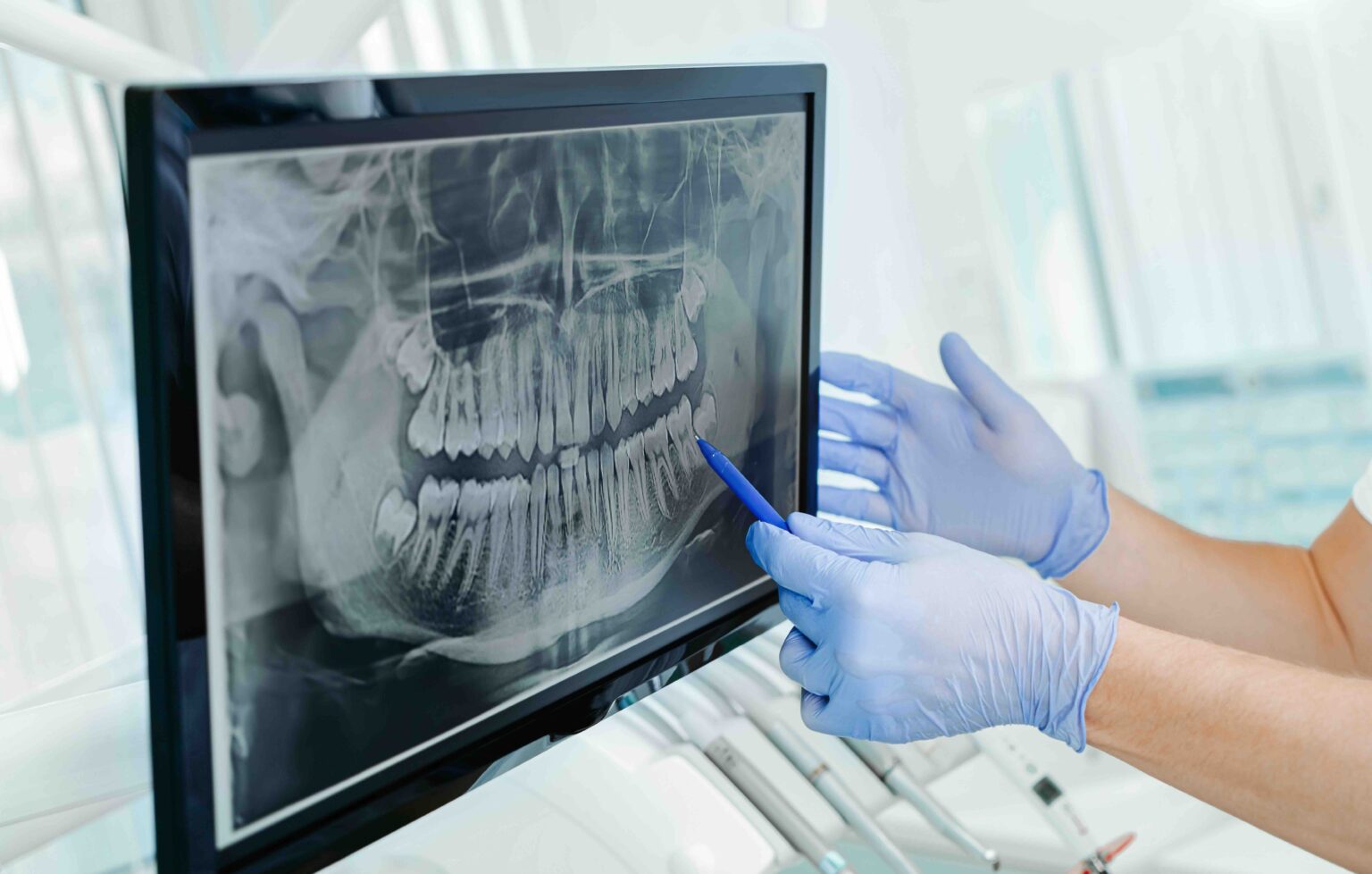
A common example is the exam and imaging. One office may advertise a low fee for the procedure itself, but the final bill grows after adding a limited emergency exam, x-rays, possible 3D imaging, medication, build-up, and temporary protection for the tooth. Another office may quote a higher number that already includes more of those essentials. Without itemization, patients cannot compare accurately.
Another issue is case selection. Some teeth are poor candidates for root canal treatment because the fracture extends below the gumline, the decay is too extensive, or the surrounding support is compromised. An ethical dentist will say so, even if it means not doing the procedure. A less careful office may attempt treatment anyway, collect the fee, and leave the patient with the same problem plus lost time.
In Beverly Hills, where marketing can be polished and persuasive, clear communication becomes a cost-control tool. Patients who ask specific questions usually get better financial clarity and better clinical decision-making.
What a reasonable price conversation should include
A trustworthy practice should be able to discuss the fee structure in plain language. That does not mean the front desk can diagnose over the phone. It does mean they should explain what is likely included and what might change after the dentist evaluates the tooth.
The most useful estimate conversations cover the root canal, the exam, necessary imaging, whether a crown is likely, whether a temporary filling or build-up is expected, and whether the office offers financing or an in-house membership plan. If the office cannot or will not discuss those basics, the patient is left guessing.
It also helps to understand that same-day emergency care can carry a premium, especially if a patient needs immediate pain relief, drainage of swelling, or a specialist opening. That premium can still be worth it. An untreated abscess can interrupt sleep, work, travel, and basic function. From a practical standpoint, the "cheaper" option is not always cheaper when it costs a patient several more days of pain and time off.
When a general dentist can be the more affordable option
There is a tendency to assume that a specialist is always the right call. Clinically, that is not true for every case. Financially, it is also not true. If a patient has a relatively straightforward front tooth problem, a skilled general dentist may be able to provide excellent treatment at a lower fee than a specialist.
This is especially common when the general dentist knows the full picture of the tooth and can coordinate the final restoration efficiently. A tooth with simple anatomy, no prior root canal, and no unusual curvature may not require referral. In those cases, seeing one provider for both the endodontic treatment and the follow-up restoration can simplify scheduling and reduce costs.
The more complicated the case becomes, the more likely the economics shift. Molars with difficult access, teeth that have already had a root canal, or cases with persistent infection often justify specialist care. Paying a bit more up front for an endodontist can reduce the chance of needing retreatment or surgery later. The best offices say this directly. They do not reflexively keep every case in-house, and they do not reflexively refer everything out.
Insurance realities in Beverly Hills
Dental insurance helps, but it does not erase the problem. Many plans cover root canals at a percentage after deductible, often with different reimbursement based on tooth type. Some plans have annual maximums that are surprisingly low compared with modern treatment costs. A patient might discover that the plan covers a fair portion of the root canal itself, but only part of the crown, leaving a significant balance.
This is where pre-treatment estimates can be valuable, though they take time. In urgent cases, patients sometimes choose to proceed and sort out reimbursement afterward. That is not ideal, but tooth pain does not always wait for paperwork.
Patients should also know that out-of-network does not automatically mean bad financial value. In some Beverly Hills practices, an out-of-network office may still offer a competitive total if the care is efficient, the restoration is appropriately planned, and the office helps maximize reimbursement. On the other hand, in-network offices can be excellent choices for budget-sensitive patients if the provider is experienced and the treatment plan is sound.
The point is simple. Insurance status matters, but it should not be the only filter. If a tooth is difficult and the provider is not comfortable with the anatomy, a lower contracted fee does not save money if the result fails.
Practical ways patients lower the total cost
Patients usually have more room to manage the overall expense than they think. The biggest savings often come from avoiding preventable escalation, not from chasing the lowest procedural fee.
- Seek care early, before the tooth develops severe infection, swelling, or fracture.
- Ask whether the case is suitable for a general dentist or truly needs an endodontist.
- Request a written estimate that separates the root canal, build-up, and crown.
- Check whether the office offers financing, phased treatment, or a membership plan.
- Confirm what your insurance covers for both the root canal and the final restoration.
Timing matters a great deal. A patient who comes in when the tooth is inflamed but still restorable usually has more options than someone who waits until half the crown breaks off. I have seen patients postpone treatment for a month because the pain subsided after antibiotics, only to return later needing extraction because the tooth structure was no longer salvageable. Antibiotics can calm an acute flare-up, but they do not clean out diseased pulp inside the tooth. That misunderstanding becomes expensive quickly.
Emergency visits and the hidden cost of waiting
Many people hope a painful tooth will settle down on its own. Sometimes the pain changes, and that false improvement leads them to think the worst has passed. In reality, loss of pain can mean the nerve has died while infection remains. When pressure and swelling build, the patient often ends up in an emergency slot, distressed and with fewer affordable choices.
Emergency treatment is still better than neglect, but it may involve interim steps rather than one neat appointment. In some cases the dentist needs to open the tooth to relieve pressure, place medication, and complete the root canal later. If there is facial swelling, drainage issues, or limited opening, treatment gets more complicated. Those are not ideal moments for bargain shopping.
There is also a broader quality-of-life cost that people overlook. Persistent dental pain affects concentration, sleep, work performance, and even appetite. A patient may spend money on temporary fixes, pain medication, urgent care visits, or missed shifts while trying to avoid the main treatment. When all of that is added up, prompt care is often the more economical path.
The crown question, and why it matters to affordability
After a root canal, many patients ask whether they can skip the crown to save money. Sometimes they can, at least temporarily. Sometimes they should not.
Front teeth that are intact and not under heavy chewing load may be restored conservatively, depending on how much structure remains. Molars are a different story. A back tooth that has had a root canal and large filling is at higher risk of fracture. If it splits, the tooth can become non-restorable. At that point, the patient may have paid for a root canal only to lose the tooth anyway.
That is why honest treatment planning matters. If a dentist recommends a crown on a heavily used back tooth, that is often a protective measure, not an upsell. The more useful conversation is about timing, materials, and payment structure. Some offices can place a strong temporary restoration and stage the crown soon after, which helps patients spread out cost without leaving the tooth vulnerable for too long.
A practical office will explain the risk in plain language. They will not guarantee that a tooth without a crown will be fine, and they will not pressure every patient into same-day premium ceramics if a more measured plan makes financial sense.
How to judge a Root Canal Beverly Hills office without getting overwhelmed
Patients often feel outmatched when comparing dental offices. Websites are glossy, phone conversations are brief, and once pain is involved, people want relief more than a seminar. Even so, a few smart questions can reveal whether an office is serious about patient value.
- Do you treat root canals in-house, and which teeth do you usually handle?
- What does the estimate include, and what common additional costs should I expect?
- If the tooth needs a crown, can you discuss that fee separately?
- Do you offer payment plans or membership pricing for uninsured patients?
- If my case is complex, would you refer me to an endodontist?
The tone of the answers matters almost as much as the answers themselves. Good offices do not become defensive when patients ask about pricing. They understand that dental costs are real, especially in Beverly Hills. They also know that affordability is tied to trust. Patients are far more comfortable proceeding when they understand the scope and the rationale.
Membership plans, financing, and cash pay strategies
For uninsured patients, in-house membership plans can be surprisingly useful. These plans often cover preventive visits and provide percentage discounts on restorative care. They are not the same as insurance, and they are not always a fit, but for someone who expects Root Canal Beverly Hills to need both a root canal and a crown, the math can work.
Financing is another tool, though patients should read terms carefully. Interest-free promotional periods can help if the balance will realistically be paid during that window. Longer-term financing can reduce the monthly burden, but the final cost may be higher. That is not automatically a bad choice if it allows a patient to save a tooth and avoid a more severe dental emergency. It just needs to be entered with clear eyes.
Cash pay sometimes creates room for discounts, especially when the office avoids insurance administration. Not every practice does this, and not every case allows much flexibility, but it is worth asking whether there is a prompt-pay rate or bundled fee if exam, root canal, and restorative care are completed within the same practice.
Cases where extraction is discussed instead
Some patients search for affordable Root Canal Beverly Hills options and assume a root canal will always be less expensive than removing the tooth. Up front, extraction is often cheaper. Long term, it depends on what happens next.
If the missing tooth is never replaced, that can affect chewing, shifting, bite stability, and appearance, depending on the location. If it is replaced with an implant or bridge, the total cost usually rises well beyond the fee for saving the tooth, assuming the tooth had a decent prognosis. This is why many dentists describe root canal treatment as a value play. Preserving natural tooth structure is often more economical over time.
Still, there are cases where extraction is the wiser financial and clinical decision. A deep vertical fracture, severe periodontal breakdown, or decay extending too far below the gumline can make root canal treatment a poor investment. The affordable choice is not always the tooth-saving choice. It is the option that gives the patient the best functional outcome for the money spent.
A realistic example of how the numbers can unfold
Imagine two patients with similar pain but different timing. The first comes in within a few days of temperature sensitivity and chewing discomfort. The tooth is diagnosed early, the crown structure is mostly intact, and the root canal proceeds without major complication. The patient pays for the exam, imaging, root canal, and later a protective crown. It is not cheap, but the treatment is predictable and the tooth remains usable.
The second patient waits until the tooth fractures during dinner after several weeks of on-and-off pain. Now the office has to assess whether the break extends too far. There may be swelling, stronger medication, emergency treatment, and a more guarded prognosis. If the fracture is not restorable, the patient moves from root canal pricing to extraction, grafting, and replacement planning. What looked like saving money by waiting turns into a much bigger project.
That pattern is so common that many experienced clinicians can almost predict it from the phone call alone. The cost story usually starts long before the procedure itself.
What affordability should feel like in the chair
Patients know when a practice respects their budget. It feels calm, direct, and free of games. The dentist explains the diagnosis clearly. The coordinator breaks down fees without acting annoyed. The office distinguishes urgent needs from elective upgrades. Nobody pretends a root canal is fun or inexpensive, but nobody turns it into a mystery either.
That is what people should expect when looking for a Root Canal Beverly Hills provider. Not miracle pricing, not luxury for its own sake, and not fear-based pressure. Just competent endodontic care, sensible case selection, and a financial conversation that reflects real life.
Beverly Hills does have premium dental offices, and some patients want that environment. Others simply need relief, preservation of the tooth, and a treatment path they can manage. Both kinds of care can exist in the same neighborhood. The challenge is filtering signal from noise.
If pain is pushing you to act, focus on three things: whether the tooth is restorable, whether the provider is the right fit for the complexity, and whether the total plan is explained honestly. That is where affordability lives. Not in a flashy ad, and not in the lowest number quoted over the phone, but in treatment that solves the problem the first time and leaves you with a tooth you can trust.
Dental Group of Beverly Hills
8641 Wilshire Blvd, Suite 125
Beverly Hills, CA 90211
(310) 361-2835
FAQ About Root Canal Beverly Hills
What are the signs you need a root canal?
Persistent pain, lingering temperature sensitivity, or swelling can have several causes. A dentist can examine the tooth and decide whether root canal treatment is appropriate.
How much does a root canal usually cost in Beverly Hills CA?
Cost varies by tooth, complexity, insurance, and whether a permanent restoration is needed. Request an itemized estimate.
How long do root canals last?
A treated tooth can last many years with a suitable restoration and regular dental care. Its outlook depends on tooth condition, the seal, and follow-up care.