When Tooth Pain Means You May Need Root Canal Beverly Hills
Tooth pain has a way of taking over the day. It can start as a dull throb while you drink coffee, then grow into the kind of pain that keeps you awake at 2 a.m., pressing your tongue against the tooth and wondering whether it will somehow settle down by morning. Sometimes it does. Often, it does not. And when the pain points to trouble deep inside the tooth, a root canal may be the treatment that saves it.
Patients often arrive worried that a root canal means something has gone terribly wrong. The reality is usually more practical than dramatic. A root canal is not a punishment for neglect, and it is not automatically a sign that the tooth is beyond help. In many cases, it is the treatment that prevents an extraction, relieves pain, and lets you keep your natural bite intact. For people searching for Root Canal Beverly Hills care, understanding when pain signals a deeper problem can make the difference between a manageable procedure and a dental emergency.
Not all tooth pain means the same thing
One of the most important things to understand is that “tooth pain” is a broad category. A sensitive tooth after whitening is very different from the intense, pulsing pain of an inflamed nerve. A cracked filling, sinus pressure, nighttime clenching, gum recession, and a cavity can all create discomfort that feels similar at first. That is why diagnosis matters so much.
A healthy tooth has several layers. The outer enamel is hard and protective. Beneath it lies dentin, which is more porous and can transmit sensation. At the center is the pulp, which contains blood vessels, connective tissue, and nerves. When decay, trauma, or a crack reaches the pulp, the tissue inside can become inflamed or infected. That is the point where ordinary sensitivity starts crossing into root canal territory.
Pain can be misleading, though. Some severely infected teeth barely hurt at all, especially if the nerve has already started to die. Others announce themselves loudly with sharp pain, swelling, or pressure when biting. In practice, dentists look at the whole picture, symptoms, X-rays, the tooth’s history, and the response to cold or tapping tests. The decision is rarely made on pain alone.
The kinds of pain that raise concern
There are patterns that tend to make experienced dentists think beyond a simple filling. If a patient says, “Cold water hurts, and the pain lingers for a full minute after I stop drinking,” that gets attention. If they say, “It feels like the tooth is pushing up when I bite,” that matters too. Lingering pain, spontaneous pain, and pressure sensitivity often suggest the pulp is involved.
These symptoms commonly deserve prompt evaluation:
- Pain that lingers after hot or cold foods are gone
- Throbbing or spontaneous pain, especially at night
- Tenderness when biting or chewing
- Swelling near the gumline or jaw
- A darkened tooth after an injury
Each symptom has nuance. Lingering cold sensitivity can point to irreversible pulpitis, a condition where the nerve tissue is inflamed beyond its ability to heal. Heat sensitivity sometimes signals an advanced infection, particularly if cold water temporarily relieves the pain. Biting pain can come from an abscess, a crack, or inflammation around the root tip. Swelling may indicate that infection has moved beyond the tooth and into surrounding tissues.
Discoloration after trauma is another detail people overlook. A front tooth that turns gray weeks or months after a sports injury may have lost its blood supply. It might not hurt much, but it can still require treatment. That is why dental trauma should always be monitored, even if the initial damage seems mild.
What is actually happening inside the tooth
When bacteria enter the pulp chamber, the body responds with inflammation. The problem is that the pulp sits in a rigid, enclosed space. Unlike a swollen ankle, which has room to expand, an inflamed nerve inside a tooth has nowhere to go. Pressure builds. Blood flow can become compromised. Over time, the tissue may die.
Once the pulp becomes infected or necrotic, the body cannot simply flush the area and restore it the way it might heal a scraped knee. The infected tissue has to be removed. During root canal treatment, the dentist or endodontist cleans out the diseased pulp, disinfects the canals, shapes them carefully, and seals the interior to prevent reinfection. The tooth is then restored, often with a crown if it has lost substantial structure.
That sequence matters because many people imagine a root canal as a dramatic intervention. It is more accurate to think of it as very meticulous internal cleaning and sealing. The goal is to preserve the part of the tooth you still need, the root structure anchored in bone and the function of a natural tooth in your smile.
Why waiting can make everything harder
There is a common temptation to “see if it passes.” Mild, short-lived sensitivity sometimes does pass. Deep nerve pain usually does not resolve on its own. It may quiet down temporarily, but that can be deceptive. A drop in pain can mean the nerve is dying, not that the tooth is healing.
Delaying care creates a few practical problems. First, infection can spread beyond the root tip into the surrounding bone, producing an abscess. Second, a tooth weakened by decay or previous dental work may fracture while you wait. Third, the longer inflammation persists, the more difficult the case can become. A straightforward root canal can turn into a more complex treatment if drainage, swelling, or retreatment enters the picture.
There is also the matter of everyday function. Patients who avoid chewing on one side for weeks often start overloading other teeth, aggravating jaw tension, or developing headaches from clenching. A painful tooth rarely stays an isolated inconvenience. It tends to create a chain reaction.
When a filling is enough, and when it is not
This is where clinical judgment matters. Not every cavity needs a root canal. A cavity that has reached dentin but not irreversibly affected the pulp can often be treated with a filling or onlay. Even some cases of short, sharp cold sensitivity respond well once the decay is removed and the tooth is sealed.
The trouble starts when the pulp is too inflamed to recover. If pain wakes you up, lingers after temperature changes, or occurs without any trigger at all, the chance that a simple filling will solve it drops significantly. Sometimes a tooth with deep decay sits right on the border. In those cases, dentists may explain that they can attempt a more conservative restoration, but root canal treatment could still become necessary if symptoms persist. That is not uncertainty from lack of skill. It is honesty about biology.
A useful way to think about it is this: a filling repairs lost structure, while a root canal addresses diseased tissue inside the tooth. One does not replace the other when the nerve itself is compromised.
Cracks, old dental work, and hidden causes
Some root canals are linked to obvious decay. Others happen in teeth that look fairly normal from the outside. A classic example is the heavily restored molar with a large old filling. Over years of chewing, that tooth can develop microscopic cracks. Bacteria seep inward. The nerve becomes inflamed, and suddenly a person who “never had a cavity there” is in real pain.
Cracks are especially tricky because symptoms come and go. Patients often describe a zinging pain when releasing a bite, as if the tooth protests when pressure comes off. They may not see anything unusual in the mirror, and standard X-rays do not always reveal the crack itself. What the dentist sees instead is the pattern of symptoms, tenderness, and the condition of the restoration.
Bruxism, which means clenching or grinding, adds another layer. Constant force can turn a compromised tooth into a symptomatic one. If you wake with sore jaw muscles, flattened teeth, or chipped edges, and one back tooth starts hurting on and off, a crack may be part of the story. In those cases, treatment planning often involves both fixing the tooth and addressing the habit that helped cause the problem.
A note about pain-free infection
One of the more surprising situations is the tooth that needs a root canal but does not hurt. A patient comes in for a routine X-ray, and there it is, a dark area near the root tip showing bone loss from infection. The tooth may have died after a prior injury or deep decay. Because the nerve is no longer actively inflamed, there may be little or no sensation.
This is one reason regular exams matter. Not every dental problem gives you dramatic warning signs. Quiet infections can still damage bone and threaten the long-term prognosis of the tooth. They can also flare unexpectedly, often at the worst possible moment, before a trip, during a holiday weekend, or right before an important event.
What to expect during diagnosis
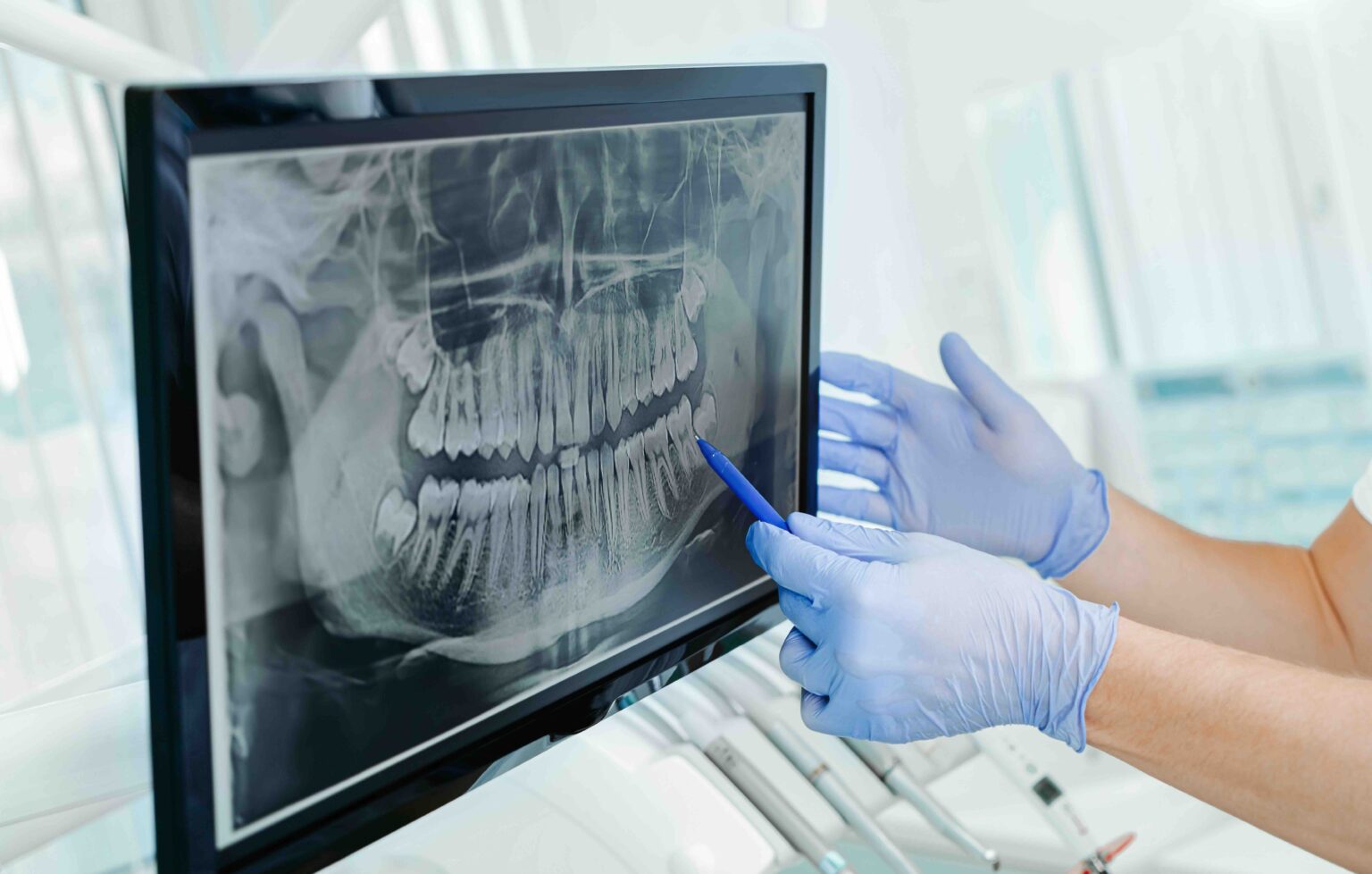
Patients are often more anxious about the unknown than about treatment itself. A proper diagnostic visit usually involves a conversation about symptoms, dental X-rays, and a few targeted tests. The dentist may place something cold on the tooth, gently tap it, or ask you to bite on a small instrument to localize the source of pain. They are not guessing. They are gathering clues.
It is common for pain to “refer,” meaning the tooth that hurts may not be the one causing the problem. Upper molar pain can seem like sinus pain. One inflamed tooth can radiate discomfort across an entire side of the mouth. That is why self-diagnosis is unreliable. What feels like “the whole jaw” may trace back to a single tooth.
If you are seeking Root Canal Beverly Hills care, look for a practice that takes the time to explain what they are seeing and why. A good diagnosis should make sense to you. You should understand whether the issue is reversible irritation, a crack, infection, deep decay, or something outside the tooth altogether.
The procedure is not what most people fear
Root canals still suffer from an old reputation that no longer matches how treatment is typically performed. Most patients are surprised by how manageable the appointment feels. The experience is often closer to having a large filling or crown preparation than to the horror stories people repeat from decades ago.
Modern local anesthesia is effective. Rubber dam isolation keeps the field clean and dry. Digital imaging improves planning. In many offices, magnification and advanced rotary instruments make treatment more precise and efficient. The hardest part for many patients is not the procedure, but enduring the pain before they finally schedule it.
After treatment, some soreness while chewing is normal for a few days, especially if the tooth was already inflamed around the root tip. That is not the same as the deep, throbbing nerve pain that brought you in. Most people return to work the same day or the next. The key is to follow through with the final restoration, often a crown for back teeth, because a root-treated tooth can be more brittle and vulnerable to fracture if left unprotected.
Why preserving the tooth is usually worth it
Extraction can seem simpler at first glance. Pull the tooth, end the problem, move on. But replacing a missing tooth often involves more time, expense, and long-term planning than saving it. A dental implant, bridge, or partial denture can work very well, yet none is a casual substitute for a healthy natural tooth in the right position.
Keeping your own tooth helps maintain normal chewing mechanics and spacing. Adjacent teeth are less likely to drift. Bone support is more likely to remain stable when the root is preserved. There are cases where extraction is the better choice, such as a severe vertical root fracture or a tooth with too little remaining structure to restore predictably. But when the tooth can be saved, root canal treatment is often the more conservative path.
That distinction matters because many patients hear “root canal” and assume they are facing the beginning of the end for that tooth. Quite often, it is the opposite. It is the treatment that lets the tooth stay.
Signs you should call promptly
There are moments when it makes sense to monitor sensitivity for a day or two, especially after recent dental work. There are also times when waiting is unwise. Rapid swelling, fever, difficulty opening your mouth, or pain that is escalating fast deserves urgent attention. Facial swelling can indicate a spreading infection, and that is not something to manage with internet advice and wishful thinking.
Here is a practical rule of thumb for when to stop watching and start calling:
- The pain is intense enough to disturb sleep or normal eating
- Swelling appears in the gums, face, or jaw
- Temperature sensitivity lingers well after the trigger is gone
- Biting feels high, sharp, or suddenly intolerable
- An injured tooth changes color or develops delayed pain
Even if the final diagnosis is not a root canal, those symptoms warrant an exam. Sometimes the fix is simpler than you feared. The important thing is not to let uncertainty drag on while the tooth deteriorates.
Beverly Hills patients often ask about timing and aesthetics
In areas where professional schedules are packed and appearance matters, patients often ask two very practical questions: how quickly can this be handled, and will the tooth look different afterward? Both are reasonable concerns.
Timing depends on the severity of symptoms and the complexity of the case. Some root canals can be completed in Root Canal Beverly Hills one visit. Others, especially teeth with significant infection or unusual anatomy, may take more than one appointment. Front teeth are often simpler than molars because molars can have three or four canals, and occasionally more intricate internal anatomy. A specialist, called an endodontist, may be recommended for difficult molars, retreatment cases, or anatomy that requires a more advanced approach.
As for appearance, root canal treatment itself is performed inside the tooth. What affects the final look is the restoration. Front teeth may need internal whitening, bonding, or a carefully matched crown if discoloration is present. Back teeth usually need strength more than cosmetics, though modern crowns can be both durable and natural-looking. In a setting where aesthetics are a priority, the planning around the final restoration is every bit as important as the root canal itself.
The emotional side of tooth pain is real
Root Canal Beverly HillsThere is a particular kind of dread that comes with dental pain because it is hard to ignore and hard to outrun. You cannot leave your mouth at home and deal with it later. People become irritable, tired, and distracted. They skip meals or chew awkwardly. Some rely on over-the-counter pain relievers longer than they should. Others postpone treatment because they are embarrassed that they waited, which only makes the cycle worse.
The most reassuring thing I can say, based on countless versions of this scenario, is that relief usually begins with clarity. Once the source of pain is identified and a plan is in place, people visibly relax. Whether the answer is a filling, crown, root canal, or something else, uncertainty is often the worst part.
Choosing care with good judgment
If you suspect you may need a Root Canal Beverly Hills provider, do not focus only on speed or price. Those matter, but they are not the whole story. A thoughtful diagnosis, clear explanation, strong pain control, and a realistic restorative plan matter just as much. Dentistry works best when it is not reduced to a single procedure detached from the rest of the mouth.
Ask whether the tooth is restorable. Ask what the final restoration will likely be. Ask what symptoms are expected afterward and what would count as abnormal. Good clinicians welcome those questions because they show you are thinking long term.
A tooth that receives a well-executed root canal and the right final restoration can serve for many years. That outcome is not luck. It comes from diagnosing the source of pain correctly, treating it before the damage escalates, and protecting the tooth once the infection or inflammation is gone.
Tooth pain does not always mean you need a root canal, but certain patterns should never be brushed aside. Lingering thermal sensitivity, nighttime throbbing, biting pain, swelling, and post-injury discoloration are all reasons to get evaluated promptly. The sooner you know what is happening inside the tooth, the more options you usually have, and the better the odds that the tooth can be saved comfortably and predictably.
Dental Group of Beverly Hills
8641 Wilshire Blvd, Suite 125
Beverly Hills, CA 90211
(310) 361-2835
FAQ About Root Canal Beverly Hills
What are the signs you need a root canal?
Persistent pain, lingering temperature sensitivity, or swelling can have several causes. A dentist can examine the tooth and decide whether root canal treatment is appropriate.
How much does a root canal usually cost in Beverly Hills CA?
Cost varies by tooth, complexity, insurance, and whether a permanent restoration is needed. Request an itemized estimate.
How long do root canals last?
A treated tooth can last many years with a suitable restoration and regular dental care. Its outlook depends on tooth condition, the seal, and follow-up care.